
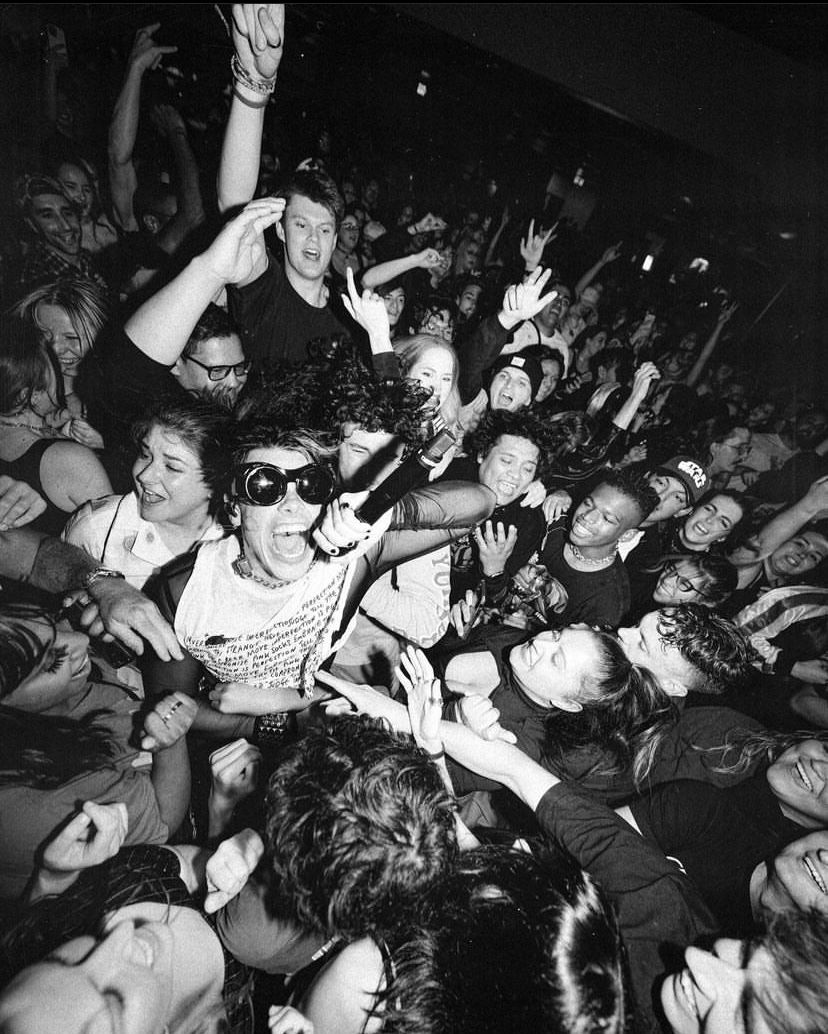
Alternative subcultures for one are not entirely foreign to our small country located in Southeast Asia. Punks and skinheads for one have roamed the streets of Malaysia since the 90s, perhaps maybe even dating back earlier. People started bands and crowds of people would come up to their shows. While other subcultures like goth and emo played a less popular role in the mainstream of our country they still existed perhaps a little later nearing towards the early 2000s and with the help of our modern advancements today, finding community online locally has been made far easier than a few decades ago.
Recently I’ve seen a recent influx in emo teens in Malaysia among Gen Z (though just to clarify the emos I’m referring to is mainly referring to the third wave of emo so imagine Hot Topic esque outfits and studded belts with dyed hair), especially on social media and though they might’ve been here for a while, the amount has recently skyrocketed even more after the recent announcement of a particular 2000s rock band playing here sometime this year. Kids are now starting their own pop punk bands while screaming emotional lyrics into a mic, eyeliner smudged on and hair swooped to the side. This sort of trend has not just been affecting the youth in Malaysia but also many other countries to the point it’s been coined with the term as the “Rawring 20s”, a pun on the 2000s internet slang “rawr” and a play on the era pf the “roaring 20s”.
Now at first glance it may seem like there’s nothing wrong with this and you aren’t completely incorrect either, teenagers expressing themselves in public through fashion/music and going out to meet people who are alike is not wrong at all. In fact I’d say it’s even encouraged especially at a time where so many young boys and girls fail to socialise as a lasting result of a year long pandemic 6 years ago. Things like this without a doubt brings communities together and that’s always been a purpose for it no? You see the problems I’m referring to here don’t come from inside the bubble but rather outside of it. What’s wrong is when peers and sometimes even grown adults make fun of the youth for their ways of expression that in this case doesn’t really harm anyone as it’s all for good fun at the end of the day. It’s also wrong when older generations gatekeep music that’s been popular for decades and is accessible to people of all ages. The effects? Young people become discouraged, they become scared to wear and do what they want in fear that someone will laugh at them or record them without consent all for the purpose of online humiliation when in reality they have done nothing wrong at all. And this discrimation doesn’t always have to be clear, it can be discreet and can happen anywhere. It can happen in the form of strange street interviews and people commenting nasty things about someone they barely know personally. It can happen in the form of obvious whispers and stares from in such mocking manner from random members of the public.
With all that being said, discrimination can also happen within these subcultures. It can happen in the form of bullying both verbally and physically at gigs or random garage shows, people harrasing and physically assaulting each other because of some beef between cliches in the scene or a power dynamic from those who have been in the scene longer than others. There’s people in bands making awfully racist or sexist remarks online while claiming to be good people in real life all at the same time while contradicting their values as an alternative person. Kids coming from more wealthy families can be classist towards those who are less fortunate when alternative spaces welcome anyone despite their financial background. It’s all so strange for me to observe coming from someone who tends to watch over those in the KL and Selangor alternative scene. Though things I mentioned above perhaps aren’t anything new to most people, I think it’s good stress upon the issue so kids don’t get the wrong idea on what they’re involving themselves in. Alternative subcultures have always uphold good values despite people who are unfamilar with them being quick demonise such things as they don’t fit the norm of societal standards that they commonly see in their daily lives.
It seems to me that Gen Z, my own generation, seems to more and more water down these alternative subcultures be it punk, emo or goth. While yes at a surface level basis they can be viewed as a combination of music and certain political beliefs, there’s also way more to it that many seem to ignore. There’s the DIY aspects of it which is to show their views opposing consumerism and capitalism. There’s activism and just so so much more that I feel like young people are missing out. Nowadays it’s easy to not do too much extensive research on such things when everything has been served in such bite-size form like through the medium of short videos when that only scratches the surface of what they think they already deeply know about so grab a book or pick up a zine and maybe you’ll learn a thing or two from people who were there when it actually began. Here’s to hoping that the alternative scene in Malaysia doesn’t die down and continues to flourish for all of the years to come.


